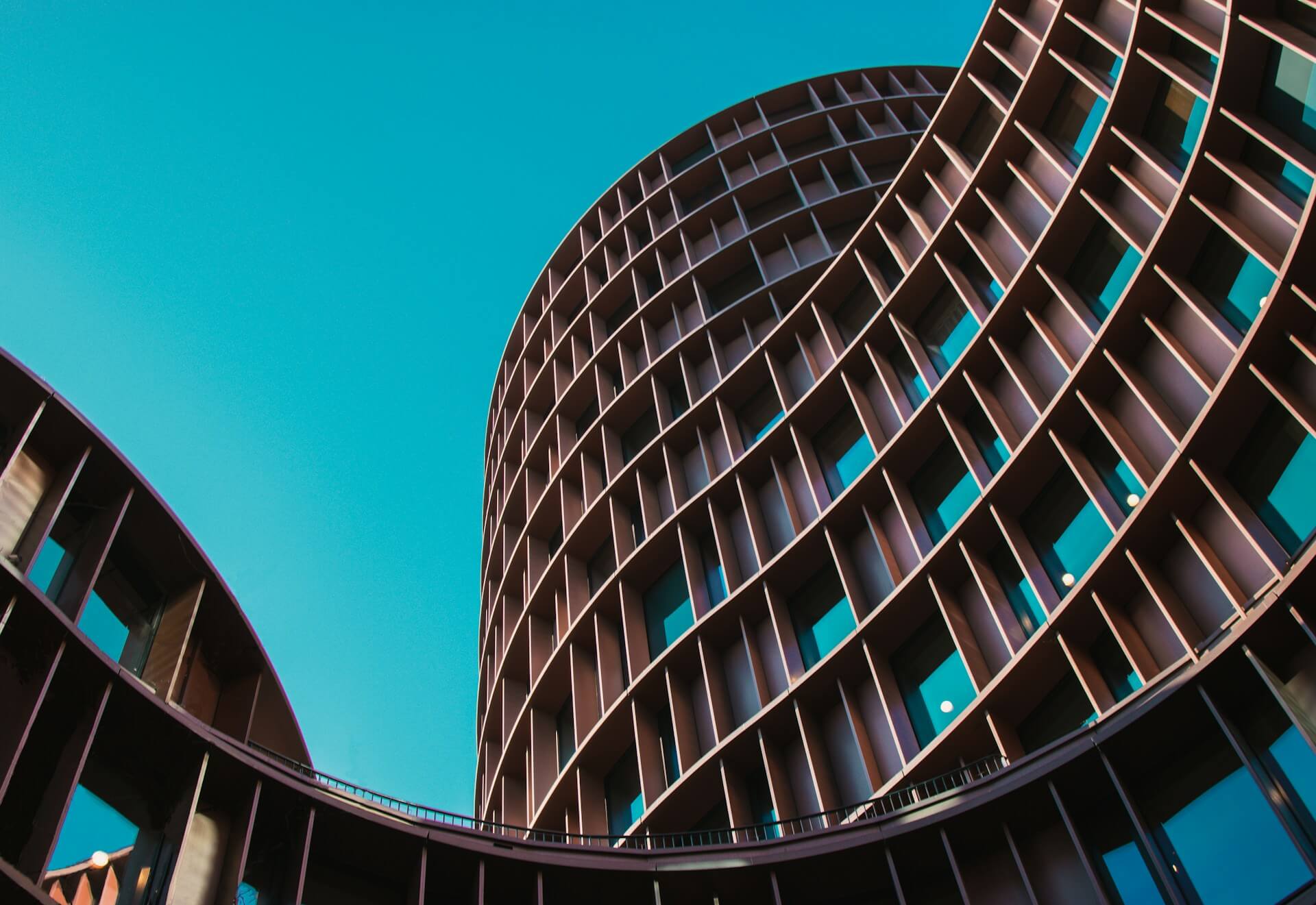
This approach highlights how visual order can be built into the very foundation of a project. Instead of adding patterns as surface decoration, structure itself can define rhythm — through grids, alignment, and spacing. This creates clarity and predictability.
Architectural patterns often rely on contrast to stay engaging. Variations in light and shadow, depth, or material break the uniformity just enough to create tension and visual interest. Applying this principle in design means introducing controlled disruptions within a system — small shifts that keep compositions from feeling static while preserving their underlying order.
